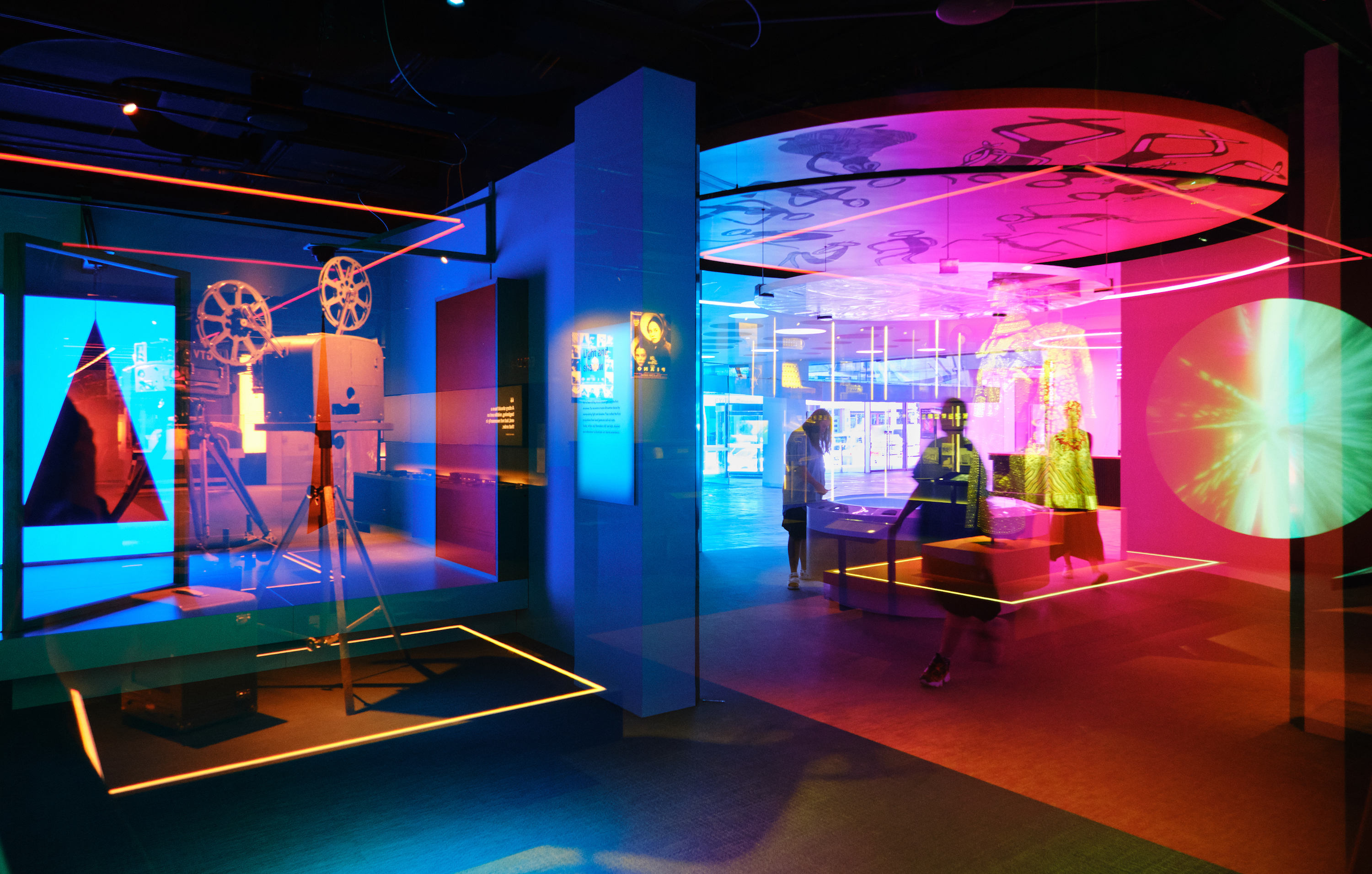
Art has always evolved alongside technology, and today we are witnessing an extraordinary transformation. Sound, once confined to instruments, voices, and environments, is now being sculpted in digital dimensions. The digital soundscape future promises an era where audio is not merely heard but fully experienced—an art form that transcends boundaries, bridging the physical and virtual.

Creative Audio Innovation
Artists and technologists are embracing creative audio innovation to craft experiences that stretch imagination. Through the power of artificial intelligence, machine learning, and advanced sound design tools, new auditory worlds are being born. Imagine compositions that shift in real time with your mood, or soundscapes that adapt to the weather outside your window. Such innovations blur the line between art and environment, turning sound into a living, breathing companion.
From interactive exhibitions where sound responds to a visitor’s movement, to generative music apps that create endless variations of melody, the possibilities are vast. These breakthroughs signal a revolution in how audiences perceive and engage with sound-based art.
Artistic Virtual Trends
The evolution of soundscapes is also inseparable from the rise of digital and virtual culture. Artistic virtual trends are driving a surge in immersive exhibitions, VR concerts, and 3D audio installations. In these spaces, listeners are not passive spectators but active participants. Walking into a virtual gallery might surround you with whispers, tones, or environmental sounds that shift as you explore.
Digital platforms are also expanding access. What was once confined to avant-garde studios or elite concert halls can now be streamed directly to headphones across the globe. This democratization empowers artists from diverse backgrounds to experiment with sound as art, ensuring that the future is as inclusive as it is innovative.
Sound Immersive Worlds
Perhaps the most exciting dimension lies in the creation of sound immersive worlds. Here, soundscapes do not simply enhance an environment—they become the environment itself. In virtual reality, audio cues guide exploration, while in augmented reality, layers of sound transform everyday spaces into theaters of imagination.
Think of a city street where footsteps trigger musical notes, or a forest walk where the wind carries harmonies composed specifically for your journey. These immersive soundscapes are not limited to entertainment; they have practical roles in therapy, education, and well-being. For instance, calming audio environments can aid meditation, while dynamic sound layers can make learning more engaging.
The Symbiosis of Art and Technology
At the heart of this transformation lies collaboration. Artists, programmers, and sound engineers are working side by side to shape the digital soundscape future. Their joint efforts create pieces that are both deeply human and technologically advanced. The artistry comes not only from crafting beautiful sounds but from weaving them into experiences that feel intuitive, emotional, and memorable.
Technology provides the canvas, but creativity paints the picture. Tools like spatial audio and binaural recording are extending how sound interacts with human perception, allowing art to enter spaces once unimaginable.
Cultural Resonance and Identity
As digital soundscapes evolve, they also serve as vessels for cultural identity. Communities can capture their sonic heritage and reimagine it within futuristic frameworks. Traditional chants, folk instruments, or environmental recordings can be layered with digital enhancements, producing works that honor the past while embracing the future. This intersection of heritage and technology ensures that creative audio innovation does not erase history but amplifies it.
Challenges and Ethical Considerations
Every new frontier comes with its dilemmas. Questions about authorship, authenticity, and accessibility must be addressed. When algorithms generate soundscapes, who is the true creator—the machine or the artist who trained it? Additionally, inclusivity must remain central, ensuring that artistic virtual trends do not alienate those without access to cutting-edge technology.
Another consideration lies in the overwhelming nature of immersive audio. While sound immersive worlds can be enriching, they also risk overstimulation if not thoughtfully designed. Striking a balance between innovation and human sensitivity will be crucial.
Echoes of Tomorrow
The journey ahead is vibrant, boundless, and filled with promise. The digital soundscape future is not a distant concept—it is already unfolding in studios, galleries, and digital platforms worldwide. Through creative audio innovation, artists are sculpting sonic experiences that astonish and inspire. With artistic virtual trends, the boundaries of performance and participation are dissolving. And in sound immersive worlds, we are discovering entirely new ways to feel, remember, and connect.
Sound is no longer background; it is becoming foreground, experience, and memory all at once. The future of digital soundscapes in art is, quite simply, a symphony of imagination waiting to be heard.