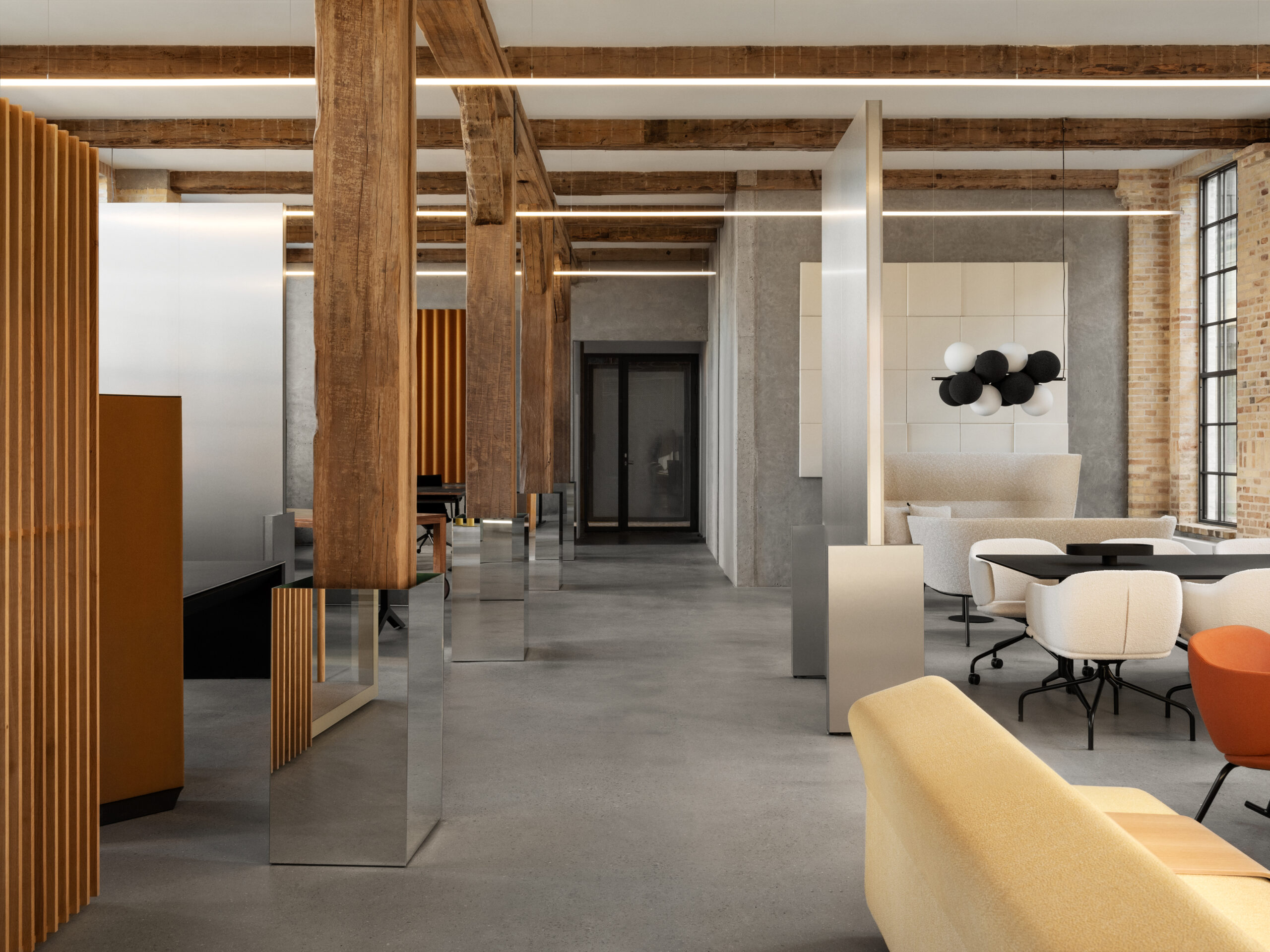
When people think of design, they often picture visuals—shapes, colors, and textures. Yet sound quietly shapes our experiences just as powerfully. The hum of a café, the whisper of wind in an open courtyard, or the soft resonance of footsteps in a gallery all influence how spaces feel. This is where the soundscape design relevance becomes undeniable. Sound doesn’t simply fill a void; it defines atmosphere, sets mood, and enhances functionality.

The Emotional Resonance of Sound
Sound reaches us on a deeper level than sight alone. It influences emotion, perception, and memory. Consider how a hotel lobby with gentle ambient music feels welcoming, while the same space without it feels sterile. This subtle shift highlights the artistic design importance of integrating sound into the blueprint of spaces.
Designers now understand that sound is not an afterthought—it is a central component of how environments communicate with those who inhabit them. Silence can soothe, rhythm can energize, and echoes can unsettle. By curating these auditory layers, spaces acquire depth and meaning.
Modern Creative Ideas
The integration of sound in design has moved far beyond background music. Architects, interior designers, and urban planners are embracing modern creative ideas that make sound an intentional element of construction.
Acoustic panels double as visual art, sculpting how sound moves through a room. Public spaces employ interactive sound installations where footsteps or movements trigger melodies. Retail environments experiment with customized audio to create distinctive brand atmospheres. These innovations demonstrate that soundscapes are no longer passive—they are participatory and immersive.
Even in digital spaces, sound plays a vital role. Apps and websites employ subtle audio cues to improve usability, signaling completion, confirmation, or alerts. Here, design is not only about what users see but also about what they hear.
Audio Cultural Impact
Soundscapes carry cultural weight as well. Every city, every community, has its own sonic fingerprint. The clamor of markets in Marrakech, the meditative bells of Kyoto temples, or the vibrant street music of New Orleans all reflect local identity. By weaving these elements into modern design, creators acknowledge the audio cultural impact of sound.
Museums and cultural centers are particularly adept at this. They use soundscapes to enrich exhibitions, transporting visitors into other times and places. A war exhibit might use distant echoes of marching feet, while an art gallery might include curated ambient sound to heighten reflection. These layers extend beyond decoration; they root visitors in context and deepen understanding.
Artistic Design Importance
Soundscapes also enhance well-being, a fact increasingly recognized in wellness-focused environments. Hospitals introduce calming sound environments to reduce patient anxiety. Workplaces incorporate subtle nature-inspired audio to increase focus and reduce stress. These examples illustrate the artistic design importance of sound, not only for aesthetics but for human health and comfort.
In luxury spaces, artistic soundscapes are curated with the same care as lighting or furniture. A spa may combine trickling water with gentle chimes to envelop guests in tranquility. A high-end restaurant may subtly blend ambient music with room acoustics to foster intimacy. The artistry lies in balance—sound that complements, never overwhelms.
Sustainability and Sound
As design leans toward sustainability, soundscapes also play a role. Incorporating natural audio, such as birdsong or flowing water, reduces reliance on artificial noise and strengthens connections to the environment. Urban planners use sound barriers not just for function but to shape pleasant auditory environments in crowded cities. Here again, soundscape design relevance intersects with ecological consciousness.
The Future of Sound in Design
Looking ahead, the role of sound in design will only grow. Advances in spatial audio and immersive technology open new possibilities for architects and creators. Imagine buildings where sound adapts dynamically to the number of people present, or digital interfaces that provide rich auditory feedback tailored to user preferences.
With modern creative ideas, soundscapes will evolve into tools for storytelling, connection, and even healing. Combined with an awareness of audio cultural impact, they will preserve traditions while inspiring innovation. Above all, the enduring artistic design importance of sound will continue to remind us that great design engages every sense.
Hearing Design Differently
Design is not just about what we see—it is about what we feel. Soundscapes shape those feelings in ways both subtle and profound. Through soundscape design relevance, designers unlock the hidden dimension of space. By embracing modern creative ideas, acknowledging audio cultural impact, and celebrating artistic design importance, they ensure that environments are not only beautiful but also resonant.
To listen is to perceive differently. To design with sound is to create spaces that breathe, pulse, and live. And in this harmony of sight and sound, modern design finds its fullest expression.