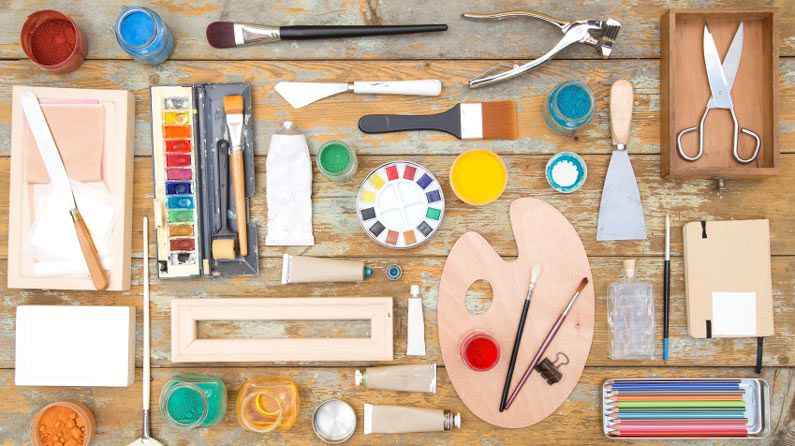
Painting is not merely about applying color to a surface. It is about creating harmony between vision, medium, and technique. While skill develops over time, success in painting often begins with having the right materials. Choosing wisely allows an artist to explore with confidence, reduce frustration, and focus on the act of creation itself. A carefully selected essential painting supply list can make the difference between a struggling start and a flourishing artistic journey.

The Foundation of a Strong Toolkit
Every painter, regardless of experience, benefits from well-chosen tools. A beginner who invests in high-quality brushes or durable surfaces experiences smoother progress and fewer setbacks. The relationship between artist and medium deepens when the supplies complement the intent. For those just starting, understanding which painting tools for beginners are truly useful is the first step toward a sustainable practice.
Brushes as Instruments of Expression
Brushes are among the most vital must-have painting materials. Their variety in size, shape, and bristle type gives painters infinite possibilities. Flat brushes are excellent for bold, sweeping strokes. Round brushes handle detail work with precision. Filbert brushes, with their versatile curved tips, can transition between soft blending and sharp edges. Natural bristle brushes are often chosen for oils, while synthetic varieties suit acrylics and water-based paints. Owning a range ensures that each creative impulse can be translated effectively onto the canvas.
The Canvas and Surfaces
An overlooked yet critical choice is the surface. A sturdy canvas, whether stretched or panel-mounted, provides structure for experimentation. Paper designed for acrylics or watercolors offers the absorbency and durability necessary for these mediums. Wooden boards, gesso-primed, invite more adventurous applications of texture. To achieve true art supplies for painting success, artists must learn to match the surface with the intended medium, ensuring longevity and stability of the finished piece.
Pigments and Paints
Color is the soul of painting. Selecting paints of reliable quality ensures vibrancy, blendability, and permanence. Beginners often start with a limited palette, learning to mix primary colors into secondary and tertiary shades. Acrylic paints, fast-drying and forgiving, are ideal painting tools for beginners. Oils provide depth and extended workability, appealing to those who value slow, layered processes. Watercolors offer fluidity and spontaneity, often rewarding restraint. A well-balanced collection of paints belongs at the core of any essential painting supply list.
The Role of Mediums and Additives
Beyond paint itself, mediums influence texture, sheen, and drying time. Acrylic gels add body, while flow improvers enhance smoothness. Linseed oil extends the drying time of oils, allowing for intricate blending. Gesso, applied before painting, primes surfaces to accept pigment properly. These often-overlooked must-have painting materials are catalysts for experimentation, allowing painters to manipulate outcomes beyond the limitations of the paint alone.
Palettes and Mixing Tools
A palette is where ideas first take physical form. Wooden palettes remain traditional, but plastic and glass options provide easy cleaning. Palette knives are equally indispensable, not only for mixing paints but also for applying pigment directly onto the surface in bold, sculptural strokes. Including these tools within an essential painting supply list provides flexibility and introduces techniques that expand the expressive range of any painter.
Easels and Workspace Essentials
Comfort influences creativity. A sturdy easel positions the canvas at the ideal angle, reducing strain and supporting proper technique. Tabletop easels are portable and suited for smaller works, while standing easels accommodate ambitious projects. Beyond the easel, rags, jars for water or solvent, and protective aprons become quiet allies in the process. These practical must-have painting materials ensure the focus stays on the artwork rather than distractions caused by poor setup.
The Power of Sketching and Preparation
Even in painting, preparation matters. Graphite pencils, charcoal, and chalk allow for initial sketches, giving structure before color is introduced. Including such items in an essential painting supply list ensures flexibility. A preliminary sketch does not restrict creativity; instead, it provides a roadmap that can be followed or intentionally abandoned as the artwork evolves.
Cleaning and Maintenance Supplies
Longevity of tools depends on care. Brushes, if neglected, quickly lose their usefulness. Gentle soap and brush cleaners maintain bristle quality, while airtight containers preserve paint from premature drying. These overlooked yet crucial art supplies for painting success protect an investment in materials, ensuring they continue to support growth and creativity.
Beyond the Basics
As skills expand, so should supplies. Metallic paints, texture pastes, and experimental surfaces such as fabric or glass encourage exploration. At this stage, the painting tools for beginners evolve into a more personalized set of instruments, reflecting an artist’s unique style. Building beyond the core must-have painting materials invites new dimensions of creativity, keeping the process invigorating.
Success in painting is the product of imagination paired with the right tools. A thoughtful essential painting supply list provides both structure and inspiration. Brushes, paints, surfaces, and mediums form the backbone of every painter’s toolkit. Palettes, easels, and cleaning supplies contribute practical support, while experimental materials expand possibilities. By combining these must-have painting materials with curiosity and persistence, every artist can move closer to mastery. Ultimately, the right art supplies for painting success transform the act of painting from a struggle into a fluid, rewarding dialogue between vision and material.