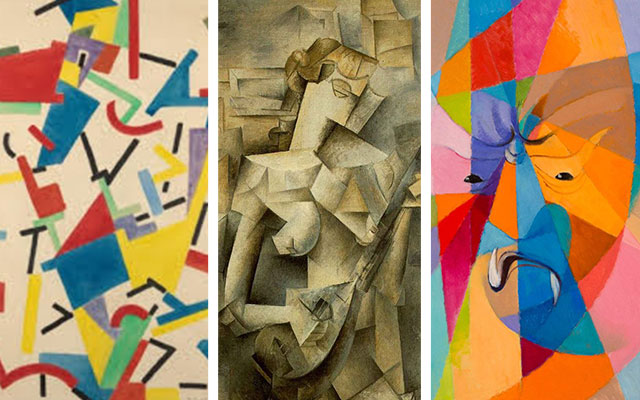
An empty space often carries a silence that feels unfinished, like a sentence without its final word. Walls devoid of character can appear lifeless, yet the addition of abstract art instantly alters their energy. With shape, hue, and texture, abstraction has the power to invigorate environments and evoke new moods. Through bold abstract wall art, once-muted interiors become dynamic arenas for creativity and contemplation.

The Presence of Abstraction
Abstract art communicates without the need for literal representation. Its strength lies in suggestion, rhythm, and interpretation. A single canvas can shift a room’s character, turning bland surfaces into statements of identity. Whether subtle or striking, these space-changing artworks embody the idea that art is not merely decoration but transformation.
The Magnetism of Bold Choices
Large-scale pieces with commanding strokes or vibrant palettes draw the eye immediately. They become focal points that anchor entire rooms. For a minimalist living area, bold abstract wall art introduces vitality without overwhelming structure. In a professional setting, it can inspire conversation, creativity, and even a sense of authority. By daring to be dramatic, these works elevate otherwise ordinary surroundings.
The Role of Color
Color is the soul of abstraction, and it dictates mood with precision. Deep blues and emeralds bring calm, while fiery oranges and reds ignite energy. Neutral tones combined with bursts of brilliance create balance, offering both harmony and intrigue. Through colorful abstract pieces, interiors acquire a personality that feels alive. These hues infuse spaces with emotional resonance, shifting atmospheres from sterile to spirited.
Transformation Through Scale
Size matters in the world of abstraction. A modest canvas might whisper intimacy, inviting close inspection. Conversely, expansive works engulf the viewer, commanding attention with their sheer presence. To transform with abstract art is to embrace its capacity to redefine scale, shifting how people move through and perceive a space. Even a single oversized painting can turn emptiness into a gallery-like environment.
The Dance Between Form and Space
Abstract compositions often carry rhythm, whether through fluid curves, sharp geometric divisions, or chaotic splatters. These elements engage directly with surrounding architecture. A painting echoing angularity complements modern interiors, while fluid strokes soften rigid spaces. The ability of these space-changing artworks to converse with their environment creates cohesion that is both subtle and profound.
Personal Expression in Shared Spaces
Abstract art does more than beautify; it personalizes. Choosing a piece reflects the tastes, moods, and aspirations of the one who selects it. In offices, hotels, or public venues, the right canvas can create atmosphere that resonates with diverse audiences. A carefully curated selection of colorful abstract pieces can bridge cultural or stylistic divides, offering universal appeal while retaining individuality.
Emotional Resonance
Empty spaces can sometimes feel sterile or detached. Abstraction counters this by embedding emotion into walls. Expressive brushstrokes embody passion, layered textures reflect complexity, and playful splashes radiate joy. Such qualities invite occupants to engage emotionally with their surroundings. This is the essence of transform with abstract art—it turns neutrality into narrative, silence into dialogue.
A Tool for Harmony or Contrast
Abstract art allows flexibility in design. It can either harmonize with existing tones or act as deliberate contrast. A monochromatic painting may unify eclectic furnishings, while a vibrant, clashing canvas electrifies an otherwise subdued palette. Through this adaptability, bold abstract wall art functions as both a stabilizer and a disruptor, depending on intention.
Abstract Art as a Conversation Starter
Beyond its aesthetic, abstraction provokes thought. Viewers interpret meaning differently, sparking discussion and reflection. In living rooms, this invites curiosity among guests. In workplaces, it encourages creative dialogue. The ambiguity of space-changing artworks is precisely what makes them powerful—everyone sees something, yet no one sees the same.
Timeless Appeal in Modern Contexts
Unlike trends tied to specific motifs, abstraction carries timeless relevance. Its lack of literal imagery ensures it never feels outdated. Whether placed in modern lofts, rustic homes, or sleek offices, colorful abstract pieces adapt seamlessly. They remind us that art transcends context, continuously offering fresh perspectives.