Abstract art has long been celebrated for its ability to dissolve boundaries of tradition and ignite innovative ways of seeing. Unlike figurative works that anchor themselves in recognizable subjects, abstraction frees both artist and viewer to step beyond the expected. It encourages new views through abstract expression, reshaping perception and reimagining the very act of looking.
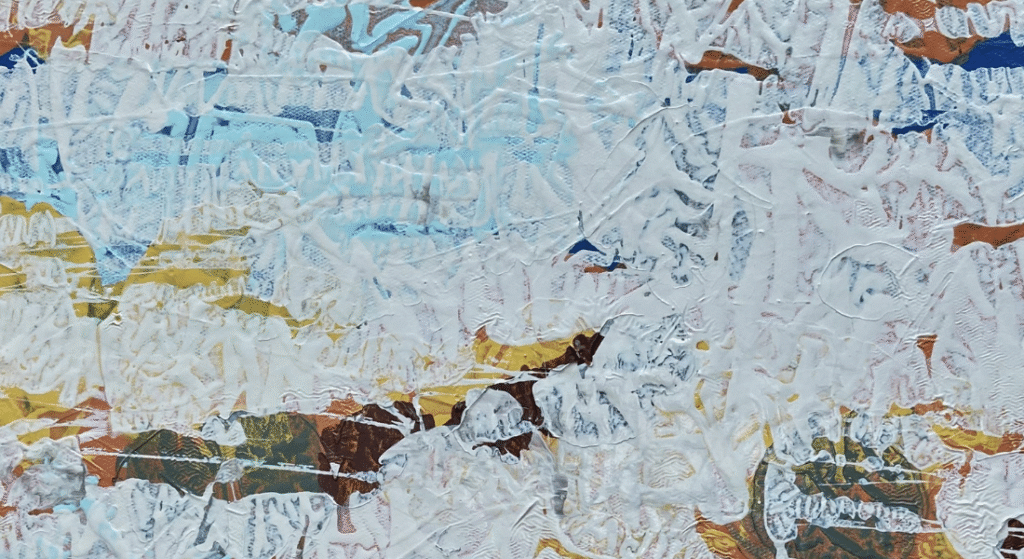
The Transformative Power of Abstraction
What makes abstraction so compelling is its lack of a fixed narrative. A field of layered colors or a scatter of geometric forms does not dictate meaning but rather extends an invitation to explore. This ambiguity becomes fertile ground for creativity, urging us to change view with art and see ordinary ideas in extraordinary ways.
By dismantling traditional representation, abstract art reframes the relationship between image and interpretation. A single composition can evoke serenity, chaos, or revelation depending on the viewer’s state of mind. It is this multiplicity that keeps abstraction endlessly relevant and transformative.
Fresh Ways of Seeing
The human eye is trained to seek patterns and recognize shapes. Abstraction deliberately disrupts this instinct, compelling us to pause, reconsider, and look deeper. In doing so, it delivers fresh abstract perspectives that broaden imagination and shift mental frameworks.
Consider the vast color fields of Mark Rothko. At first glance, they appear simple blocks of hue, yet with time they unravel into profound emotional landscapes. Or Jackson Pollock’s dynamic drips, which may appear chaotic but reveal rhythm, gesture, and energy upon sustained observation. These works insist on patient looking, rewarding curiosity with insights that cannot be rushed.
Emotional Resonance Beyond the Literal
Abstract art often bypasses logic, reaching directly into emotion. A swirl of indigo may evoke calm for one viewer, while for another it conjures nostalgia or melancholy. This emotional elasticity makes abstraction an intimate experience, deeply personal yet universally relatable.
Through this openness, abstraction fosters empathy and imagination. By challenging us to perceive meaning without literal images, it cultivates a habit of reinterpreting experiences. This process is not confined to art appreciation alone but spills into how we view daily life and relationships.
Rethinking Through Visuals
Abstraction’s greatest gift is its invitation to question assumptions. In a world saturated with information, images, and labels, abstraction strips away the noise and urges reflection. It encourages rethinking through visuals, showing that meaning is not always fixed but can shift depending on context, mood, and interpretation.
This flexibility in seeing strengthens creative problem-solving. Just as an abstract painting invites multiple interpretations, so too can challenges in life be reframed from different perspectives. In this way, abstraction functions as both art and metaphor, encouraging resilience and adaptability.
Historical Innovations That Redefined Vision
The early pioneers of abstraction recognized its revolutionary potential. Wassily Kandinsky believed that colors and forms could carry spiritual vibrations. Piet Mondrian stripped reality down to lines and primary colors, seeking universal harmony in simplicity. Kazimir Malevich’s stark Suprematist compositions challenged conventional representation altogether, presenting art as pure form and emotion.
Each of these innovators redefined perspective by questioning the very essence of what art could be. Their radical ideas opened the door to modern creativity, demonstrating how abstract forms can expand thought and transform society’s cultural lens.
Abstract Art in Contemporary Life
Today, abstraction continues to thrive not only in galleries but in everyday environments. Murals, digital installations, and design elements borrow its language to refresh urban spaces and living interiors. Such works offer constant reminders of possibility and interpretation, encouraging viewers to pause amid daily routines and consider new views through abstract arrangements.
Even in personal settings, living with abstract art nurtures curiosity. A bold canvas on the wall becomes more than decoration; it becomes a dialogue partner, evolving in meaning as time passes. This dynamic interaction transforms domestic spaces into realms of imagination and reflection.
Beyond Aesthetics into Philosophy
Abstract art’s role is not confined to visual enjoyment. It also acts as a philosophical catalyst. By detaching from representation, it raises questions about perception, truth, and the nature of experience. Is reality only what we see? Or is it shaped equally by our inner world of thought and feeling?
Such questions make abstraction a profound teacher. It reminds us that seeing is never neutral. Every glance carries interpretation, shaped by culture, memory, and mood. Recognizing this helps cultivate openness, tolerance, and creativity in both art and life.
A Journey of Shifting Horizons
Engaging with abstraction is akin to embarking on a voyage without a map. The path is undefined, yet every turn offers revelation. Colors become landscapes, textures evolve into emotions, shapes transform into philosophies. Each encounter offers fresh abstract perspectives, reminding us that perception is fluid and imagination boundless.
In this way, abstraction serves as a lifelong companion in expanding the mind. It continues to challenge, surprise, and inspire, urging us to see differently, think differently, and live with greater openness.
Conclusion
Abstract art stands as a beacon of transformation, constantly reshaping the way we perceive the world. It invites us to change view with art, offering new views through abstract interpretation and guiding us toward rethinking through visuals. It demonstrates that meaning is never singular but always evolving, enriched by the diversity of perspective.
Through its power to ignite imagination and challenge assumptions, abstraction offers not only aesthetic delight but a philosophy of openness. By engaging with it, we embrace fresh abstract perspectives, cultivating a mindset that values ambiguity, celebrates discovery, and thrives on reinterpretation. Abstract art does not merely decorate walls; it redefines horizons, reshaping how we see and how we dream.