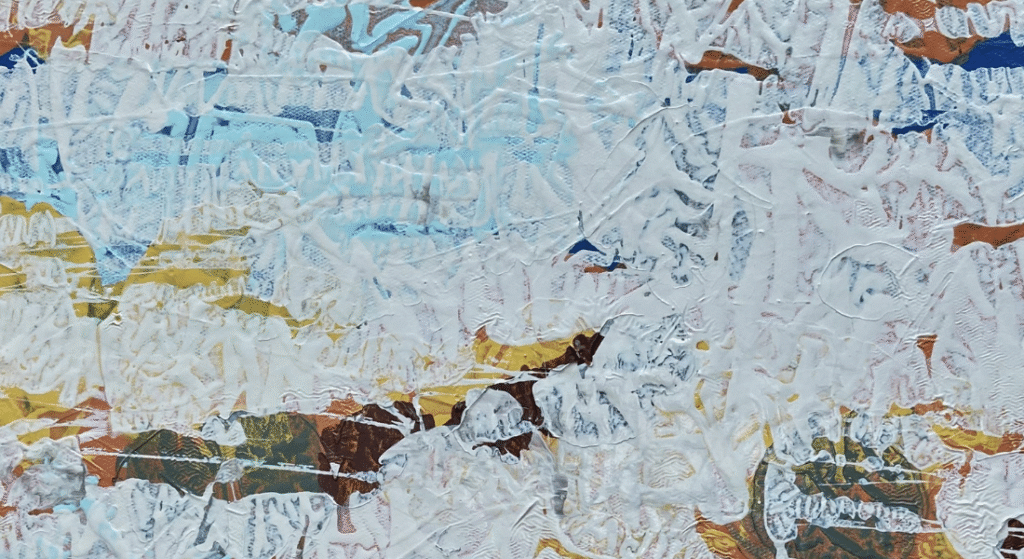
Abstract art is one of humanity’s most dynamic achievements, a testament to our endless capacity for invention and expression. Across continents and centuries, artists have embraced abstraction as a way to capture emotion, rhythm, and spirit without the need for literal representation. Within this vast landscape lie the world’s abstract treasures, masterpieces that bridge cultures, ignite imagination, and speak in the universal language of form and color.

A Global Tapestry of Expression
Every culture has contributed unique strands to the fabric of abstraction. From bold African patterns rooted in ritual symbolism to the meditative brushstrokes of East Asian ink painting, abstraction has never been confined to a single style. Instead, it is a living dialogue, evolving through cultural exchange and artistic curiosity.
Collectors, scholars, and admirers travel widely to uncover rare global artworks that embody this diversity. These works may take the form of vibrant canvases, intricate weavings, or experimental sculptures, each carrying the fingerprint of its origin while participating in a global story of creativity.
Treasures in Europe
Europe is home to many of the cornerstones of abstraction. From Kandinsky’s early explorations of synesthesia in Munich to Mondrian’s geometrical purity in the Netherlands, the continent set the stage for abstraction’s revolutionary rise. Picasso’s fragmented visions and Miró’s dreamlike symbols further expanded the horizon, making abstraction an undeniable force within modern art.
Today, European galleries still house some of the world’s abstract treasures, offering visitors a chance to walk through the corridors of history while experiencing timeless innovation. These pieces continue to resonate, reminding us that abstraction was not just an artistic choice but a cultural reimagining.
Echoes of Abstraction in Asia
Asia’s relationship with abstraction is both ancient and contemporary. Traditional calligraphy and ink landscapes often leaned into abstraction long before the term was formally coined. Empty spaces, flowing lines, and minimalist gestures spoke volumes about philosophy, balance, and harmony.
In recent decades, contemporary Asian artists have pushed boundaries further, merging traditional techniques with modern experimentation. This has resulted in art from every culture that challenges perception and redefines abstraction through the lens of history and innovation. From Tokyo to New Delhi, new generations reinterpret the abstract vocabulary in ways that honor the past while embracing the future.
The African Pulse
African abstraction is vibrant, rhythmic, and deeply rooted in cultural tradition. Masks, textiles, and ceremonial objects often embody abstract principles, distilling ideas into symbolic shapes and vivid colors. These forms, long underappreciated by Western institutions, have increasingly been recognized as crucial inspirations for 20th-century abstract movements in Europe and America.
Modern African artists continue this legacy, creating abstract gems worldwide that are celebrated in biennales, exhibitions, and private collections. Their work reflects not only aesthetic innovation but also social commentary, offering perspectives that enrich the global conversation on abstraction.
The Americas and Bold Innovation
The Americas have also left indelible marks on abstraction. North America witnessed the rise of Abstract Expressionism, with artists like Pollock and Rothko redefining emotional intensity on canvas. Their large-scale works embodied freedom, experimentation, and the raw energy of postwar creativity.
In South America, abstraction evolved differently. Geometric abstraction and kinetic art flourished, particularly in countries like Brazil, Venezuela, and Argentina. These movements emphasized structure, rhythm, and participation, producing rare global artworks that delighted the eye and challenged conventional notions of perception.
Oceania’s Contribution
Though less frequently discussed, Oceania holds a rich tradition of abstraction in Indigenous art. Australian Aboriginal paintings, with their intricate dot techniques and symbolic mapping of landscapes, are among the most profound abstract expressions in the world. These works embody storytelling, spirituality, and connection to the land, making them some of the world’s abstract treasures in their own right.
Their influence has grown as global audiences come to appreciate the depth and innovation embedded in these traditions. Beyond aesthetic appeal, they carry cultural heritage, anchoring abstraction to place and memory.
Why Abstract Treasures Matter
Abstract art matters because it is universal. It crosses languages, religions, and geographies, speaking through shapes, colors, and textures that resonate on instinctive levels. When one encounters art from every culture, one is reminded that abstraction is not simply a Western invention but a shared human practice.
These treasures encourage us to think differently, to embrace ambiguity, and to value diversity of thought. They reveal that abstraction is not only about rejecting representation but about exploring new ways to communicate essence, emotion, and perspective.
Collecting and Preserving Abstract Gems
Museums and private collections play a vital role in safeguarding abstract gems worldwide. Curators bring together works from multiple continents, fostering dialogue and understanding across cultural lines. Meanwhile, collectors often become custodians of history, ensuring that these treasures remain accessible for future generations.
Digital technology now expands this access even further. Virtual exhibitions allow anyone with an internet connection to explore rare global artworks from their home, bringing the brilliance of abstraction into everyday life. This democratization ensures that abstraction continues to inspire globally, regardless of geography.
Conclusion
Abstract art is not bound to a single movement, time, or place. It is a chorus of voices from across the globe, each contributing to the ongoing story of creativity. Within this chorus lie the world’s abstract treasures, diverse and dazzling, yet united in their pursuit of expression beyond representation.
From art from every culture comes a reminder of our shared humanity. From rare global artworks, we learn how innovation blossoms differently depending on context. From abstract gems worldwide, we glimpse how imagination knows no borders.
To appreciate abstract art is to journey through a world of infinite perspectives, where every piece holds a fragment of beauty, history, and vision. These treasures, gathered from all corners of the earth, continue to challenge, delight, and inspire, reminding us that abstraction remains one of the purest expressions of the human spirit.