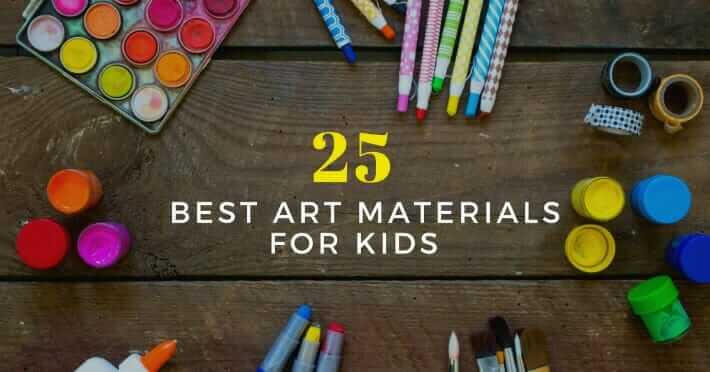
The journey into art begins not with masterpieces but with materials. Before ideas can take shape on canvas or paper, the right tools must be chosen. For anyone setting out on their creative path, selecting art supplies for beginners is the first step toward unlocking both practice and passion. The foundation matters, and understanding what belongs in a starter collection can make the difference between frustration and flow.

Building the Beginner’s Toolkit
Every new artist needs a set of essentials. A beginner artist tool kit should be simple yet versatile, offering enough range to experiment without overwhelming the creator. Think of it as a balanced recipe: too much too soon can confuse, too little can stifle exploration. A carefully curated kit encourages play while allowing growth in skill and confidence.
This kit often includes pencils of varying hardness, erasers, a sketchbook, and perhaps a few brushes or paints. Each item carries its own role, supporting early efforts while providing space to experiment with line, tone, and texture.
The Essential Art Materials
A structured approach can be helpful. Compiling an essential art materials list ensures that nothing critical is overlooked. Beginners benefit from a clear outline that balances quality with affordability. A starter list might look like this:
- Graphite pencils in assorted grades, from soft for shading to hard for precise lines.
- A sturdy sketchbook with medium-weight paper to withstand repeated erasing.
- An eraser set, including both a kneaded eraser for subtle lifting and a harder eraser for clean corrections.
- Fine-line pens for inking, offering precision and permanence.
- A set of colored pencils or watercolors for experimentation with tone and vibrancy.
- Basic brushes in small, medium, and large sizes to handle different strokes.
This core collection provides enough flexibility for drawing, sketching, and painting, while avoiding the excess of unnecessary items.
The Role of Drawing Supplies
For most beginners, the first step into art begins with drawing. Acquiring basic drawing supplies is therefore critical. A simple pencil can unlock endless creative exploration. Different grades of graphite allow the artist to move from whisper-light outlines to dark, expressive shading.
Paper choice is equally important. Smooth paper is perfect for detail, while textured paper adds character and grip. Blending stumps or tortillons, though often overlooked, help beginners explore shading and depth with subtlety. These foundational tools help establish confidence in line work and form before branching into more complex mediums.
Exploring Color and Mediums
Once drawing feels familiar, color invites the next layer of experimentation. While a full palette of paints might seem enticing, restraint is often wiser for a novice. A limited set of watercolors, acrylics, or colored pencils is enough to learn blending, layering, and contrast. The goal is not to overwhelm but to explore how hues interact on a surface.
Brushes should also be chosen with care. Synthetic brushes are affordable and durable, perfect for learning basic techniques. A small round brush, a flat brush, and a larger wash brush are often all a beginner needs to begin painting confidently.
Balance Between Quality and Cost
One common challenge for new artists is navigating between cost and quality. While professional-grade supplies can feel intimidating, there is value in investing in reliable tools from the outset. Low-quality materials may frustrate progress, producing results that do not reflect true effort. A carefully chosen beginner artist tool kit balances affordability with durability, ensuring supplies support creativity rather than hinder it.
Investing in a quality sketchbook or durable brushes pays off as skills grow. Meanwhile, accessible student-grade paints and pencils offer room for practice without the fear of waste.
Encouraging Exploration and Growth
The true purpose of beginner supplies is not perfection but exploration. With an essential art materials list, the aspiring artist can experiment, discover preferences, and learn techniques. Some may gravitate toward line-heavy sketching, while others feel drawn to washes of watercolor. The supplies simply serve as instruments to uncover style and vision.
The tactile experience of holding a brush or pencil, the sound of graphite on paper, and the satisfaction of color blending are all part of the early artistic journey. These moments of discovery build momentum, leading naturally toward more advanced materials in the future.
Embarking on the creative path requires more than inspiration. It requires the right foundation. For those starting out, gathering art supplies for beginners is the first empowering act, setting the stage for experimentation and growth. A thoughtful beginner artist tool kit with pencils, sketchbooks, erasers, brushes, and paints provides enough versatility without confusion. With the guidance of an essential art materials list, beginners can avoid overwhelm while focusing on exploration. And by starting with basic drawing supplies, they develop confidence in form and shading before embracing color.
These tools do more than fill a box or shelf. They shape the artist’s first experiences, encourage curiosity, and foster growth. With them, silence becomes line, blank pages become stories, and early experiments transform into the foundation of lifelong creativity.