Introduction & Background
The world of visual arts has long been a canvas for human expression, where every brushstroke, pencil line, and sculpted curve tells a story without uttering a single word. Among these forms, the technique of strokes stands out as a silent symphony, weaving narratives that resonate deeply with viewers. Strokes are not merely marks on a surface. They are the whispers of emotion, the echoes of intention, and the bridges between the artist’s mind and the observer’s heart. From the delicate strokes of a watercolor masterpiece to the bold lines of a charcoal sketch, this art form transcends language, culture, and time, offering a universal language of creativity and connection.
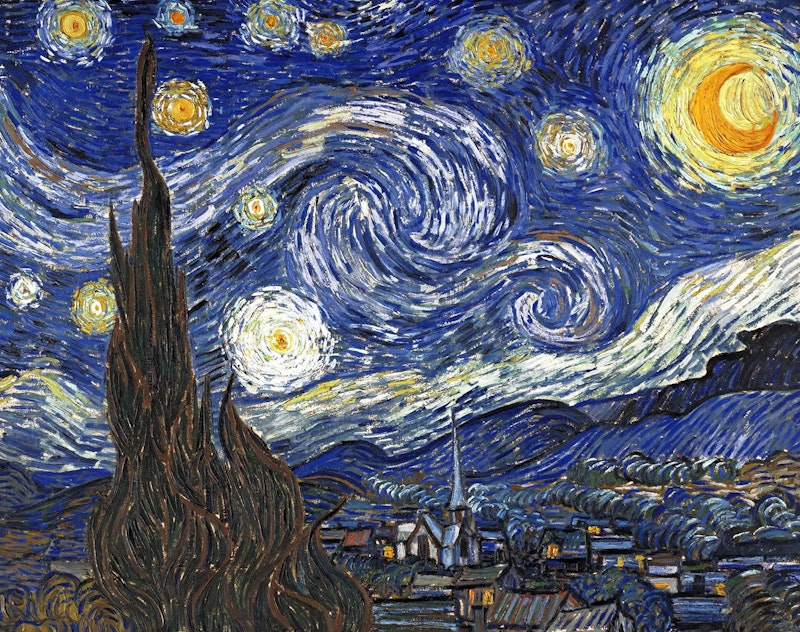
Historically, strokes have played a pivotal role in shaping artistic movements. The Impressionists, for instance, revolutionized painting by emphasizing the importance of visible brushwork, capturing fleeting moments with vibrant, dynamic strokes. Similarly, in Eastern traditions, ink wash painting relies on the controlled flow of strokes to convey balance, harmony, and the essence of nature. This timeless technique continues to evolve, blending tradition with innovation, and proving that strokes are more than just tools. They are storytellers in their own right, capable of evoking emotions, sparking memories, and inspiring imagination.
Concept & Overview
The concept of strokes in visual arts revolves around the deliberate application of lines, textures, and marks to create meaning and emotion. A stroke can be defined as a single mark made by an artist’s tool, whether it is a brush, pencil, pen, or even a finger. These marks serve as the building blocks of composition, guiding the viewer’s eye and shaping the narrative of the artwork. The power of a stroke lies in its simplicity and immediacy. It communicates the artist’s thoughts and feelings in a direct, unfiltered manner, often revealing more than words ever could.
Artists use strokes to convey a wide range of effects. A soft, feathery stroke might suggest gentleness or tranquility, while a sharp, jagged stroke could evoke tension or chaos. The direction, pressure, and repetition of strokes all contribute to the overall impact of the artwork. For example, horizontal strokes in a landscape painting can create a sense of calm and stability, whereas vertical strokes might imply growth or strength. This versatility makes strokes a fundamental element in both representational and abstract art, allowing artists to experiment and push the boundaries of their creativity.
Key Features & Highlights
- Expressive Potential: Strokes are the artist’s voice, capable of expressing joy, sorrow, anger, or serenity. They allow for a wide range of emotional and thematic exploration.
- Versatility in Mediums: Strokes can be created using various mediums, including oil paints, watercolors, charcoal, ink, and digital tools. Each medium offers unique textures and qualities that influence the stroke’s appearance.
- Dynamic Composition: The placement and direction of strokes play a crucial role in composition. They can guide the viewer’s eye, create focal points, and establish rhythm within the artwork.
- Cultural Significance: Different cultures have developed distinct styles of strokes, from the calligraphic strokes of Chinese ink painting to the impasto techniques of European oil painting. These styles reflect cultural values and artistic traditions.
- Technical Skill: Mastering strokes requires practice and precision. Artists often spend years honing their technique to achieve the desired effect, whether it is the delicate blending of watercolors or the bold, confident lines of a sketch.
- Symbolic Meaning: Strokes can carry symbolic weight, representing elements such as nature, human experiences, or abstract concepts. For example, a spiral stroke might symbolize growth or infinity.
Frequently Asked Questions / Pros & Cons
What makes strokes different from other artistic techniques?
Strokes are unique because they focus on the individual mark as a means of expression. Unlike broader techniques such as blending or shading, strokes emphasize the immediacy and authenticity of each mark, often leaving traces of the artist’s hand and process. This directness creates a sense of intimacy between the artwork and the viewer.
Can strokes be used in both realistic and abstract art?
Absolutely. In realistic art, strokes help define form, texture, and detail, bringing subjects to life with precision. In abstract art, strokes take on a more symbolic or emotional role, allowing artists to convey ideas and feelings without adhering to representational constraints. The versatility of strokes makes them a valuable tool in any artistic style.
What are the challenges of mastering strokes?
One of the primary challenges is achieving consistency in pressure, direction, and intensity. Beginners often struggle with strokes that are too stiff or uncontrolled, lacking the fluidity and dynamism of professional work. Additionally, understanding how to use strokes to convey emotion and meaning requires both technical skill and artistic intuition. Practice, experimentation, and studying the works of master artists are essential for improvement.
Are there any tools or materials that are best suited for creating strokes?
The choice of tools and materials depends on the desired effect. For soft, flowing strokes, watercolors and brushes with fine tips are ideal. Charcoal and pencils offer control for detailed or expressive marks, while ink pens provide precision for calligraphic or graphic styles. Digital artists can use styluses and tablets to simulate traditional strokes with added flexibility and editing options. Ultimately, the best tools are those that align with the artist’s vision and technique.
What are the pros and cons of using strokes in artwork?
Pros:
- Strokes add authenticity and a personal touch to artwork, showcasing the artist’s hand and process.
- They are versatile and can be adapted to various mediums and styles.
- Strokes can convey emotion and narrative in a subtle, powerful way.
Cons:
- Mastering strokes requires significant practice and patience.
- Inconsistent or poorly executed strokes can disrupt the overall composition and impact of the artwork.
- For some artists, the spontaneity of strokes may feel intimidating, especially when aiming for precision in realistic work.
Practical Guidance & Solutions
For artists looking to harness the power of strokes in their work, starting with the basics is key. Begin by experimenting with different tools and mediums to understand how each one responds to pressure and movement. Practice simple exercises, such as creating smooth, controlled strokes or varying the pressure to produce bold and faint marks. Observing the works of artists known for their mastery of strokes, such as Vincent van Gogh or Hokusai, can provide valuable insights into technique and style.
When incorporating strokes into a composition, consider their role in guiding the viewer’s eye and creating rhythm. Use directional strokes to lead the viewer through the artwork, and vary the intensity of strokes to highlight focal points. For example, darker or thicker strokes can draw attention to specific areas, while lighter strokes can create a sense of depth or movement. Additionally, don’t be afraid to embrace imperfections. Strokes are inherently human, and their flaws often add character and depth to the artwork.
For those working digitally, take advantage of software features that simulate traditional strokes, such as pressure sensitivity and texture overlays. Experiment with layering and blending modes to achieve unique effects while maintaining the organic feel of hand-drawn strokes. Remember that the goal is not perfection but expression. Each stroke should serve a purpose, whether it is to evoke emotion, convey a narrative, or simply celebrate the act of creation.
Conclusion
The silent symphony of strokes is a testament to the power of visual art to communicate without words. From the delicate whispers of a pencil sketch to the bold declarations of a brushstroke, these marks carry stories that resonate across time and space. They are the heartbeat of creativity, pulsing with emotion, intention, and meaning. As artists continue to explore and innovate with strokes, they breathe new life into this timeless technique, ensuring that it remains a vital and evocative language of expression.
Whether you are an aspiring artist or an admirer of visual art, take a moment to appreciate the strokes behind the masterpieces. Look closely at the textures, the rhythms, and the emotions they convey. In doing so, you become part of the conversation, a silent participant in the symphony of creativity that connects us all.