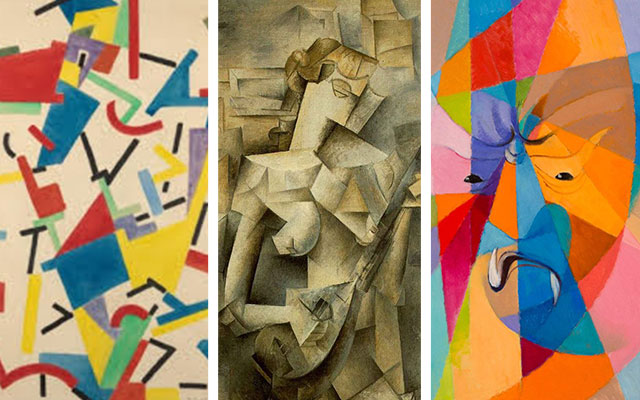
Abstract art has long been celebrated for its ability to transcend literal representation and delve directly into emotion, form, and rhythm. In today’s world, this genre is not static but continuously evolving, weaving itself into the very fabric of modern aesthetics. From galleries to digital platforms, the field is alive with innovation, experimentation, and bold reinvention. Artists and collectors alike are keeping a close eye on modern abstract art trends, as these patterns provide insight into how creativity itself is being reshaped.

Shifts in Color Palettes
One of the most striking developments has been the move toward unconventional color combinations. Neon accents paired with muted neutrals or metallic overlays with matte bases are defining the latest abstract styles. These daring palettes not only challenge expectations but also reflect the energetic tempo of contemporary culture. Artists are treating color less as a complement to form and more as a standalone force, capable of setting mood and narrative in powerful ways.
The Role of Technology
Technology has introduced an entirely new toolkit for abstraction. Digital brushes, AI-driven generators, and interactive platforms enable creators to expand their visual vocabulary. What once required painstaking layering with paint can now be simulated instantly on a screen. Yet, far from diluting the artistry, this has sparked new abstract art design ideas that blend the handmade with the digital. Canvas and code now coexist, opening unprecedented dialogues between tradition and modernity.
Texture as a Narrative
Beyond color and shape, texture has emerged as a significant driver of innovation. Artists are experimenting with mixed media: plaster, fabric, resin, and even reclaimed industrial materials. These tactile explorations give viewers not just an image to observe but a surface to feel. Such approaches tie closely to current art movement themes around sustainability and materiality, reminding audiences that abstraction can also address broader cultural conversations.
Minimalism Meets Complexity
Interestingly, today’s abstract works often oscillate between stark simplicity and layered intricacy. On one end of the spectrum are minimalist canvases featuring only a handful of forms, evoking serenity and restraint. On the other end are hyper-detailed compositions that almost overwhelm the senses. This duality reflects the tension of modern life—our craving for both clarity and complexity—and has become central to many modern abstract art trends.
The Revival of Large-Scale Works
In an era dominated by digital screens, the return of monumental canvases is notable. Oversized abstractions demand physical presence and create immersive experiences. When viewed in person, these works envelop the audience, offering perspective that cannot be replicated on a smartphone. This revival also signals a reassertion of the physical object in an increasingly virtual world, a subtle nod to current art movement themes about tangibility and human connection.
Emotional Resonance and Personal Expression
Abstract art thrives on interpretation. Artists today are leaning more heavily into deeply personal narratives, using form and color as emotional languages. Whether addressing identity, climate anxiety, or the turbulence of social change, abstraction provides a space for dialogue without literal representation. Many of the latest abstract styles prioritize this emotional resonance, encouraging audiences to connect their own feelings with the work.
Sustainability and Conscious Practice
Sustainability is no longer an afterthought in creative practice. Artists are turning to recycled materials, plant-based pigments, and biodegradable mediums. These choices not only serve the planet but also influence the aesthetic of the work itself. Such eco-conscious approaches generate fresh abstract art design ideas, offering textures, tones, and patterns that traditional materials cannot replicate. In this way, ethics and innovation are merging seamlessly within the abstract genre.
Cross-Cultural Influences
Global connectivity has broadened the dialogue within abstraction. Motifs inspired by Indigenous art, African textiles, and Asian calligraphy are being reinterpreted through abstract lenses. This cultural exchange adds richness and diversity, positioning abstraction as a truly universal language. The fusion of traditions is quickly becoming one of the defining modern abstract art trends, encouraging inclusivity and celebrating artistic heritage.
The Rise of Interactive Abstracts
Viewers are no longer passive observers. Interactive installations, where audiences can manipulate lights, sounds, or projections, have gained popularity. These immersive experiences transform abstract art into a shared journey rather than a solitary viewing. This evolution aligns with current art movement themes centered on participation, breaking down barriers between creator and audience.
Future Directions
Looking ahead, abstraction seems destined to continue its expansion across both physical and digital realms. Expect to see further hybridization, where painting, sculpture, sound, and technology merge into unified experiences. The boundaries between disciplines will continue to blur, guided by latest abstract styles that prioritize fluidity over fixed categories.