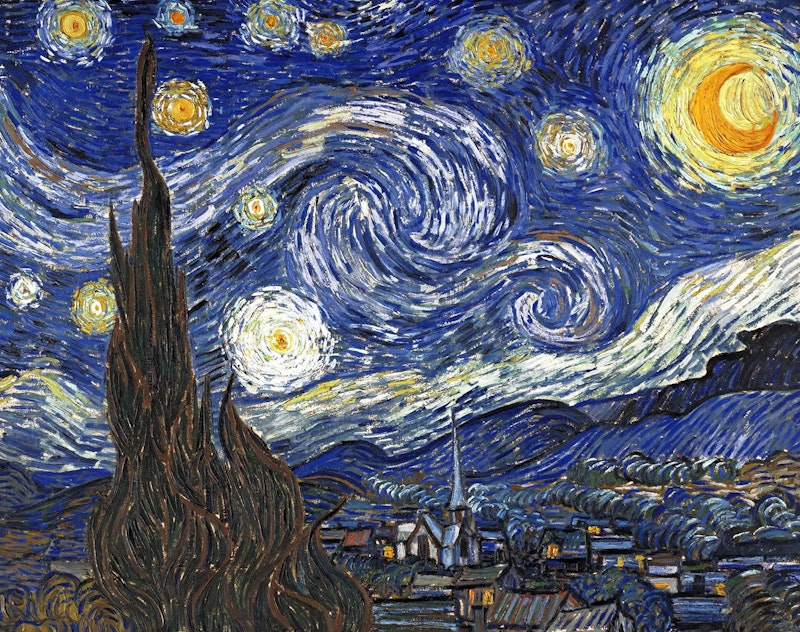
Art is not confined to galleries, museums, or monumental installations. It permeates daily life, subtly shaping the environments where people live, work, and gather. The influence of creativity in ordinary surroundings demonstrates the profound power of visual arts impact on mood, functionality, and identity. What may seem like a simple interior decision or a decorative addition can spark an entire experience of place, revealing the essence of everyday space transformation.

The Atmosphere of Color and Form
Color is one of the most immediate channels through which art alters space. A mural bursting with vibrant hues can inject vitality into an otherwise sterile corridor, while muted tones on a canvas can lend serenity to a crowded office. Form, too, plays a role in shaping the sensory experience of an environment. Sculptural furniture, unconventional lighting, and wall installations shift perception, encouraging occupants to see their surroundings through a new lens.
Such interventions are not superficial embellishments. They are creative design ideas that reconfigure how individuals feel and interact within a given area. A painted wall, for example, is not simply a backdrop; it becomes an active participant in defining the energy of the room.
Public Spaces as Living Galleries
Urban environments provide striking examples of art’s ability to enrich daily life. Graffiti murals, large-scale sculptures, and interactive installations transform ordinary streets into dynamic landscapes of imagination. Commuters passing through a subway tunnel adorned with intricate mosaics encounter moments of wonder in the midst of routine.
These are instances of everyday space transformation on a civic scale. They break the monotony of infrastructure, reminding people that creativity can be as integral to a city as its utilities. The city itself becomes a vast canvas, each work contributing to cultural memory and collective identity.
Domestic Interiors and Personal Expression
In private settings, art personalizes and elevates interiors. A thoughtfully placed painting above a dining table, a handcrafted vase on a windowsill, or a textile wall hanging introduces layers of narrative into daily rituals. These objects act as conduits of memory, taste, and aspiration. They serve as artistic living inspiration, transforming homes into reflections of individuality rather than impersonal enclosures.
Designers often encourage the integration of local craftsmanship and heritage into interiors, bringing not only beauty but also a sense of continuity with tradition. In this way, domestic art becomes a dialogue between past and present, between cultural identity and personal preference.
Workspaces Enlivened by Art
The modern workplace has embraced art as a means of enhancing productivity, creativity, and well-being. Sterile cubicles have given way to environments where installations, paintings, and digital displays promote stimulation and focus. Employees encountering artwork daily are more likely to experience reduced stress and heightened engagement.
Here, visual arts impact goes beyond aesthetics. It becomes a strategic tool for fostering innovation and collaboration. A bold installation in a common area can spark conversations, while calming imagery in private offices supports concentration. Such choices demonstrate how deeply environment shapes professional outcomes.
Art as a Catalyst for Community
When art is incorporated into shared spaces, it fosters connection and dialogue. Community centers that feature rotating exhibitions encourage locals to engage with diverse perspectives. Outdoor sculptures in plazas become gathering points where strangers interact. Murals reflecting local history give neighborhoods a sense of pride and continuity.
These experiences show how creative design ideas cultivate belonging. By embedding art into the social fabric, communities gain more than decoration. They gain identity, cohesion, and a stage for collective storytelling.
Nature and the Artful Environment
The integration of natural elements into visual design offers another dimension of transformation. Botanical motifs in wall art, organic sculptures crafted from wood or stone, and biophilic architectural features draw the outside world inward. Such elements nurture a sense of calm and renewal.
This fusion of art and nature demonstrates artistic living inspiration in its purest form. It highlights how aesthetics and ecology intersect to create environments that not only please the eye but also soothe the spirit.
Technology and Interactive Art
Digital advancements have introduced interactive art into everyday spaces. Projection mapping on building facades, responsive light installations, and augmented reality applications redefine how individuals engage with their environments. A wall that shifts color with a touch or a digital mural that evolves with weather conditions transforms the static into the dynamic.
This is the frontier of everyday space transformation, where technology merges with artistry to craft experiences that are ever-changing, participatory, and immersive. It marks a shift from viewing art as fixed to perceiving it as living and adaptive.
The influence of art on daily environments is both subtle and profound. Through color, form, narrative, and innovation, it alters how people inhabit space and perceive their surroundings. From bustling streets to intimate living rooms, visual arts impact is omnipresent, guiding mood, sparking dialogue, and shaping identity.
By embracing creative design ideas in public, private, and professional spaces, societies foster vitality and connection. Each brushstroke, sculpture, or digital projection becomes more than decoration. It is a catalyst for meaning. In this lies the essence of artistic living inspiration: art that turns the ordinary into the extraordinary, revealing that beauty and creativity can inhabit every corner of human life.