Introduction & Background
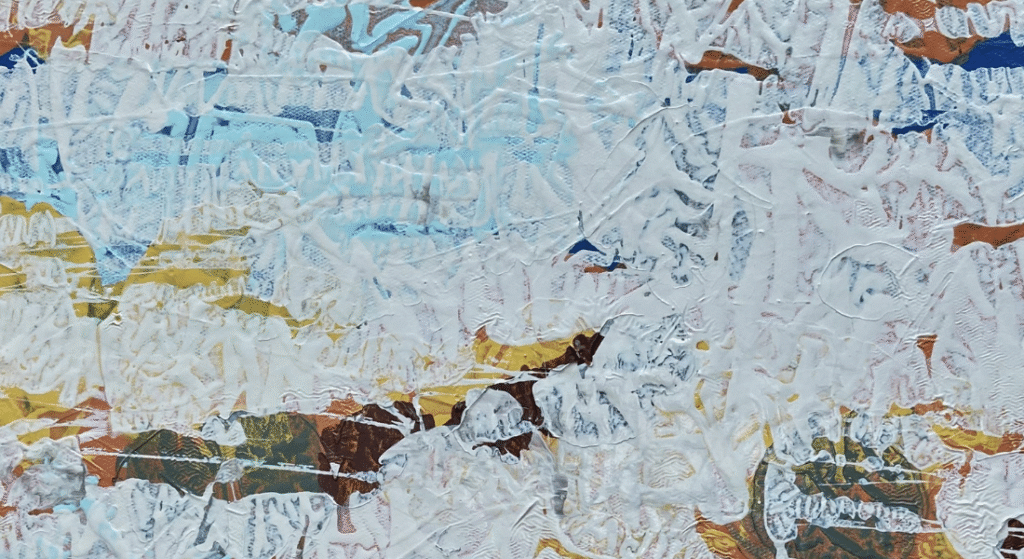
Abstract painting stands as one of the most liberated and expressive forms of visual art, allowing artists to break free from the constraints of representation and delve into the realm of emotion, color, and form. Unlike traditional art that aims to depict the world as it appears, abstract painting communicates through shapes, textures, and vibrant hues, speaking a universal language that transcends cultural and linguistic barriers. It invites viewers to explore their own interpretations, making each encounter a unique and personal experience. The history of abstract painting is rich and varied, tracing back to the early 20th century with pioneers like Wassily Kandinsky and Piet Mondrian, who sought to move beyond realism to capture the essence of the invisible. Today, abstract art continues to evolve, embracing new techniques and materials while maintaining its core mission: to evoke feeling and provoke thought through pure visual language.
Concept & Overview
At its heart, abstract painting is an art form that prioritizes the use of color, line, and composition over realistic representation. It is not bound by the need to mirror the external world but instead focuses on creating compositions that resonate with the artist’s inner vision or emotional state. This genre allows for a wide spectrum of styles, from the bold geometric patterns of Cubism to the fluid, organic forms of Abstract Expressionism. The beauty of abstract painting lies in its ambiguity, which gives viewers the freedom to project their own meanings onto the artwork. Whether through the use of muted tones or explosive bursts of color, abstract artists harness the power of visual elements to communicate ideas that words often cannot. The movement has also been closely tied to philosophical and psychological theories, with many artists drawing inspiration from concepts such as synesthesia, where senses overlap, and the subconscious mind.
Key Features & Highlights
- Freedom of Expression. Abstract painting removes the need for literal interpretation, allowing artists to express emotions, ideas, and concepts without the constraints of reality.
- Use of Color and Texture. Vibrant colors, subtle gradients, and varied textures play a crucial role in creating depth and emotional impact in abstract works.
- Diverse Techniques. Artists employ a range of methods, including brushwork, palette knife application, pouring, and even unconventional tools like sponges or hands to achieve unique effects.
- Emotional Resonance. The best abstract paintings evoke a strong emotional response, whether it be calm, excitement, confusion, or introspection, reflecting the artist’s inner world.
- Versatility in Style. From minimalist compositions to chaotic, layered canvases, abstract painting encompasses a vast array of styles, ensuring there is something for every taste and preference.
- Interaction with Space. Abstract art often plays with the relationship between the artwork and its surrounding environment, influencing how it is perceived and experienced in different settings.
Frequently Asked Questions / Pros & Cons
What makes abstract painting different from other art forms?
Abstract painting distinguishes itself by its departure from realistic representation. While traditional art seeks to depict subjects as they appear in the physical world, abstract art focuses on the interplay of color, form, and composition to convey emotion or concept. This lack of literal imagery allows for greater interpretive freedom, making abstract art highly subjective and open to individual perception.
Is it necessary to have formal training to create abstract art?
No, formal training is not a prerequisite for creating abstract art. In fact, many abstract artists emphasize intuition and spontaneity over technical skill. However, understanding foundational principles such as color theory, composition, and texture can enhance an artist’s ability to create more compelling and balanced works. The beauty of abstract painting lies in its accessibility, inviting both trained professionals and enthusiastic amateurs to explore their creativity.
How do artists choose the colors for their abstract paintings?
Color selection in abstract painting is often deeply personal and intuitive, though some artists rely on color theory to guide their choices. Emotional associations with color play a significant role, with warm tones like reds and oranges often evoking energy or passion, while cool tones like blues and greens may convey calmness or melancholy. Some artists also use contrasting colors to create visual tension or harmony to evoke balance. The process can be experimental, with artists layering and blending hues until they achieve the desired effect.
What are the challenges of creating abstract art?
One of the primary challenges is striking the right balance between chaos and control. Abstract art often involves a degree of spontaneity, but too much randomness can result in a lack of cohesion. Artists must carefully consider composition, color relationships, and spatial balance to ensure their work feels intentional rather than haphazard. Additionally, abstract art can be difficult to sell or appreciate for those who prefer representational or narrative-driven pieces, as its value often lies in the emotional or conceptual experience it provides.
Can abstract painting convey specific messages or themes?
Yes, abstract painting can convey messages or themes, though they may not be immediately obvious to every viewer. Artists often embed meaning through symbolism, the use of recurring motifs, or the emotional tone of the colors and forms they choose. For example, an artist might use sharp, angular shapes to represent tension or conflict, or soft, flowing lines to evoke tranquility. The interpretation is ultimately up to the viewer, but the artist’s intent often influences the overall mood or theme of the work.
Practical Guidance & Solutions
For those inspired to explore abstract painting, starting with a few key principles can help build confidence and skill. Begin by experimenting with a limited color palette to understand how hues interact and influence mood. Try using unconventional tools, such as palette knives, sponges, or even your fingers, to apply paint and create texture. Keep a sketchbook to document ideas and color combinations that resonate with you. It’s also helpful to study the works of abstract artists you admire, analyzing how they use composition, balance, and contrast to create impactful pieces.
When working on a canvas, don’t overthink the process. Abstract painting thrives on spontaneity, so allow yourself to make bold, impulsive strokes without worrying about perfection. Embrace mistakes as part of the creative journey, as they often lead to unexpected and exciting results. If you find yourself stuck, take a step back and reassess the piece from a distance. Sometimes, a simple adjustment in color or form can transform the entire composition. Lastly, remember that abstract art is as much about the process as it is about the final product. Enjoy the act of creation, and let your intuition guide you.
Conclusion
Abstract painting is a vibrant and ever-evolving art form that celebrates the power of color, emotion, and imagination. It challenges both artists and viewers to look beyond the surface and connect with the deeper layers of human experience. Whether through bold, chaotic strokes or subtle, meditative compositions, abstract art offers a unique voice that speaks to the soul. As you explore this captivating world, allow yourself to be guided by intuition and curiosity. Embrace the freedom it offers, and let your own whispers of color find their voice on the canvas. In a world often dominated by noise, abstract painting stands as a testament to the beauty of simplicity, the depth of emotion, and the endless possibilities of creative expression.