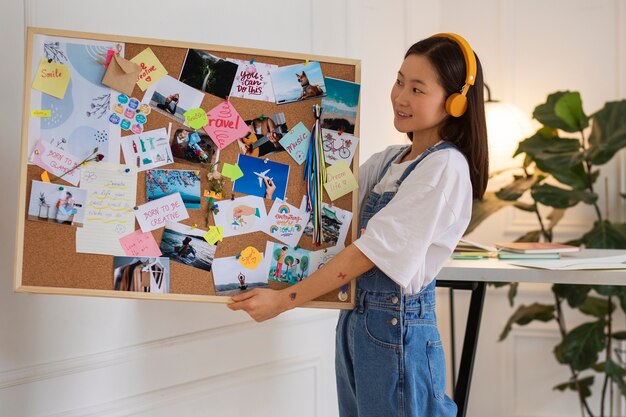
Modern life moves with relentless speed. News cycles shift by the hour, technology evolves daily, and global communication compresses time and space. In such a climate, art may appear to some as a luxury, a pause in a race that cannot be slowed. Yet the truth lies deeper. The importance of art becomes even more pronounced in a world dominated by velocity. Visual expression provides grounding, reflection, and meaning in an era of constant flux.
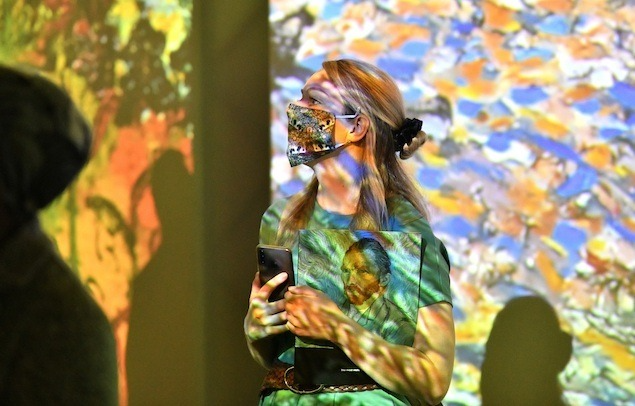
Anchors of Identity
Art holds the power to connect people to their roots. Across continents, communities turn to visual expression to affirm who they are and where they come from. This is visual cultural relevance at its most vital. A mural on a city wall can speak to heritage, a painting in a museum can summon centuries of memory, and a sculpture in a plaza can preserve identity in a rapidly changing landscape.
By capturing cultural histories, art prevents erasure. It acts as a safeguard against the anonymity that speed often imposes on individuals and societies. In this way, art becomes not a distraction from modernity but a defense of memory within it.
Respite in Motion
Life’s pace can overwhelm the senses, leaving little time for contemplation. Here lies another facet of the importance of art. A painting or installation compels the viewer to pause, to dwell, to notice. Art slows perception and interrupts the automatic rhythm of everyday life.
Whether encountered in a gallery or on a street corner, such moments of stillness remind us that not everything must accelerate. Visual arts create sanctuaries for reflection, offering perspective amid chaos.
Art as Dialogue
Every piece of art is a conversation. It bridges the personal and the collective, the past and the present. In fast-moving societies, this dialogue becomes essential. It fosters empathy, curiosity, and awareness beyond the limits of one’s immediate environment.
This dialogue embodies creative modern significance. A contemporary digital artwork, for instance, may comment on climate change or social justice while drawing upon traditions of visual storytelling. Such works remind viewers that art does not exist apart from life but within its very currents, shaping and responding to collective challenges.
Innovation and Imagination
The rapid pace of innovation requires imagination. Visual arts fuel this need. By pushing boundaries, experimenting with materials, and exploring unconventional perspectives, artists cultivate an environment where fresh ideas thrive. In technology, business, or science, the seeds of progress often germinate in creative soil.
This is where artistic world meaning becomes clear. Art does not simply decorate life; it nurtures the vision that drives advancement. A society attuned to creativity is better prepared to confront new realities with adaptability and ingenuity.
Emotional Resonance
In a fast world, information bombards individuals constantly. Yet facts alone rarely change hearts. Art translates information into feeling, offering resonance that transcends statistics or arguments. A single image can convey grief, joy, or hope more powerfully than a report or headline.
This ability underscores the importance of art in shaping public consciousness. Through visual expression, communities can process trauma, celebrate resilience, or imagine futures worth striving toward.
Collective Belonging
Art builds community. Festivals, exhibitions, and public installations create shared experiences that bind people together. This sense of unity is crucial in societies where rapid change can fragment connections. The visual cultural relevance of such gatherings lies in their ability to foster dialogue and common ground.
Art allows individuals to see themselves reflected while also encountering perspectives different from their own. It expands understanding, cultivating empathy across divides.
Beyond Utility
Modern life often values efficiency above all else. In this framework, what cannot be measured in speed or productivity risks dismissal. Yet art resists reduction to utility. Its value lies precisely in its capacity to transcend function.
Here again emerges creative modern significance. A painting need not solve a practical problem to alter perception. A performance need not produce a tangible product to reshape awareness. By existing beyond the limits of utility, art reasserts humanity in systems increasingly driven by automation and calculation.
The Future of Meaning
As the world continues to accelerate, the role of art will not diminish. Instead, it will expand. Artistic world meaning provides continuity in uncertain times, reminding societies that progress without purpose is incomplete. Art ensures that humanity’s drive forward remains tethered to reflection, beauty, and understanding.
The fast world tempts us to believe that what matters most is immediate and measurable. Yet art reveals another truth. The importance of art rests in its ability to connect, to slow, to inspire, and to endure. Through visual cultural relevance, it safeguards identity. Through creative modern significance, it nurtures imagination. And through artistic world meaning, it anchors progress in humanity’s deepest values.
In the race of modern life, art is not left behind. It runs alongside, guiding us toward a future that values not only speed but also depth, not only change but also meaning.